
November 2021: an inflatable dinghy carrying migrants from France to the UK capsizes in the Channel, causing the deaths of 27 people on board. How and why did it happen?
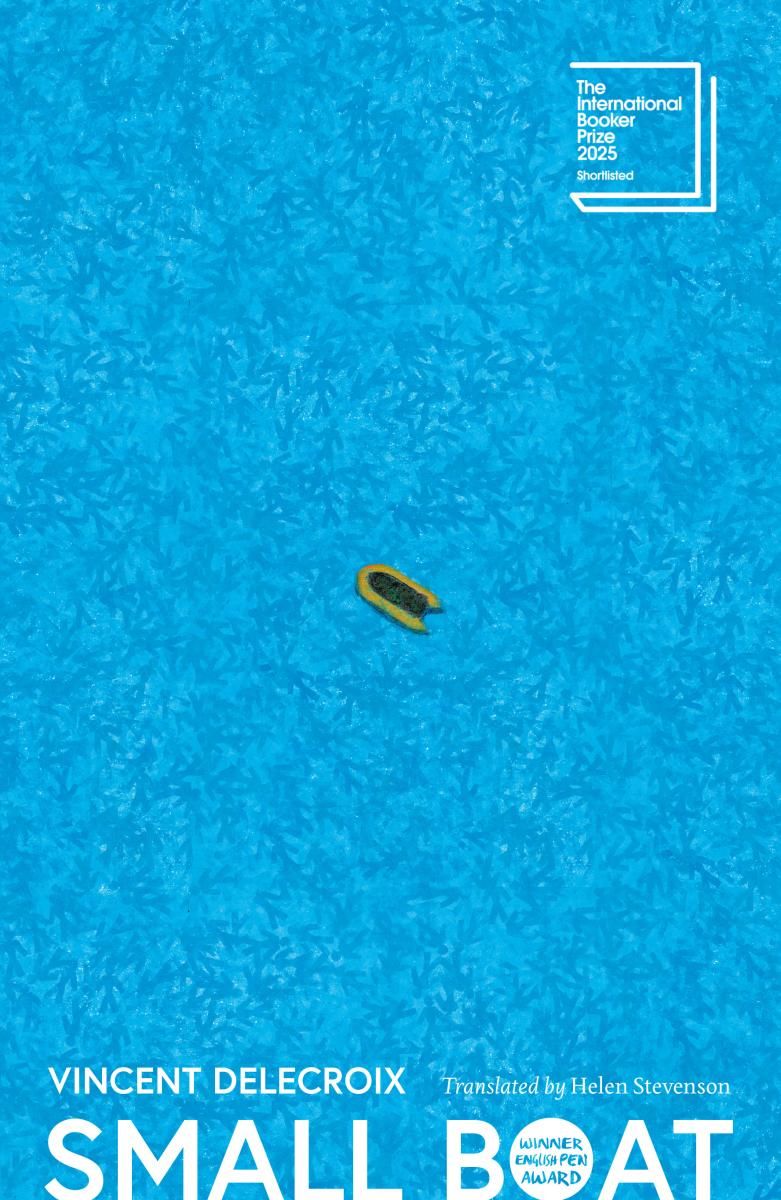
- Shortlisted
- The International Booker Prize 2025
- Published by Small Axes
Buy the book
November 2021: an inflatable dinghy carrying migrants from France to the UK capsizes in the Channel, causing the deaths of 27 people on board. How and why did it happen?
Despite receiving numerous calls for help, the French authorities wrongly told the migrants they were in British waters and had to call the British authorities for help. By the time rescue vessels arrived on the scene, all but two of the migrants had died.
The narrator of Delecroix’s fictional account of the events is the woman who took the calls. Accused of failing in her duty, she refuses to be held more responsible than others for this disaster. Why should she be more responsible than the sea, than the war, than the crises behind these tragedies?
A shocking, moral tale of our times, Small Boat reminds us of the power of fiction to illuminate our darkest crimes.
Small Boat was shortlisted for the International Booker Prize 2025, announced on April 8 2025.

Vincent Delecroix
Born in Paris, Vincent Delecroix is a French philosopher and writer
More about Vincent Delecroix 
Helen Stevenson
Helen Stevenson studied Modern languages at Oxford University, and has been translating literary texts from French to English for 25 years
More about Helen Stevenson Omari Douglas reads from Small Boat
A gut-punch of a novel that asks: could we all do better?
The 2025 judges on Small Boat
What the judges said
Following the disastrous deaths of 27 people, when a dinghy capsizes while crossing the Channel, the book’s narrator – who works for the French authorities and who had refused to send a rescue team – attempts to justify the indefensible and clear her conscience. In a world where heinous actions often have no consequence, where humanity’s moral code appears fragile, where governments can condemn whole swathes of society to poverty or erasure, Small Boat explores the power of the individual and asks us to consider the havoc we may cause others, the extent to which our complacency makes us complicit – and whether we could all do better. A gut-punch of a novel.
What the critics said
Cal Revely-Calder, The Telegraph
‘Delecroix is both a novelist and a Kierkegaard expert: both pursuits lend themselves to the imagination of ethics at crisis point. Think of Small Boat as a philosophical ghost story.’
Paris Match
‘The narrator accuses those who judge her of hypocrisy and will only see herself as a cog in the administrative wheel of a France that will not give refuge to the world’s misery. As strong and cruel as the times we live in.’
Times Literary Supplement
‘Vividly translated by Helen Stevenson, and currently on the shortlist for this year’s International Booker Prize, Small Boat is painful, compelling and mercifully short, with a powerful undertow.’
Vincent Delecroix on Small Boat
‘The book is based on a real event that happened in November 2021, when a small boat sunk in the Channel with 29 migrants on board. Despite numerous calls for help during almost all the night, the French navy never sent any help, although it clearly received the calls and even promised to rescue the passengers. 27 died, two women and a child among them. Following this disaster, seven military agents from the operational centre for survey and rescue have been charged for failure to assist persons in danger.
‘At the beginning of investigations, audio recordings of the communications between migrants and the young operator in charge at the centre were made public. Their content is terrible. The young woman in charge shows no compassion at all, makes appalling jokes, lies and finally expresses simple irritation, answering roughly and sarcastically to the desperate calls of the shipwrecked. This was the real starting point of my novel, a fiction that tries to imagine how someone with no evil in her, who is just anybody, can act and talk in such an inhuman manner and become a striking example of the so-called ‘banality of evil’, as Hannah Arendt put it.
‘But the purpose was neither to formulate a moral judgement nor to just express loud and easy indignation. On the contrary, it was to suspend all moral judgement, and, by writing an imaginary character, to simply try to penetrate a consciousness that could belong to anyone.’
Read the full interview here.
Helen Stevenson on Small Boat
‘I read reviews of Naufrage in the French press and was curious. Once I’d read the book I rang the French publisher, established that the English language rights were available, and translated some sample pages to present to publishers in the UK. I was surprised that it had been overlooked. A number of publishers said no, when they replied at all, but Pete Ayrton [of Small Axes] said ‘yes, let’s do it’. We’re all so accustomed to reading news pieces about the migrant crossings, we have a way of reading them without really reading. Here was a fictional text that forced the reader to slow down. It raises painful questions about responsibility, about looking away. I remembered reading the news coverage, and seeing a documentary called The Crossing, in which a survivor of the sinking talked about that night – I rewatched it while I was translating. I was really struck by a phrase I read in This Tilting World by Colette Fellous – that the word translate literally means to ferry across.’
Read the full interview here.


Other nominated books by Helen Stevenson
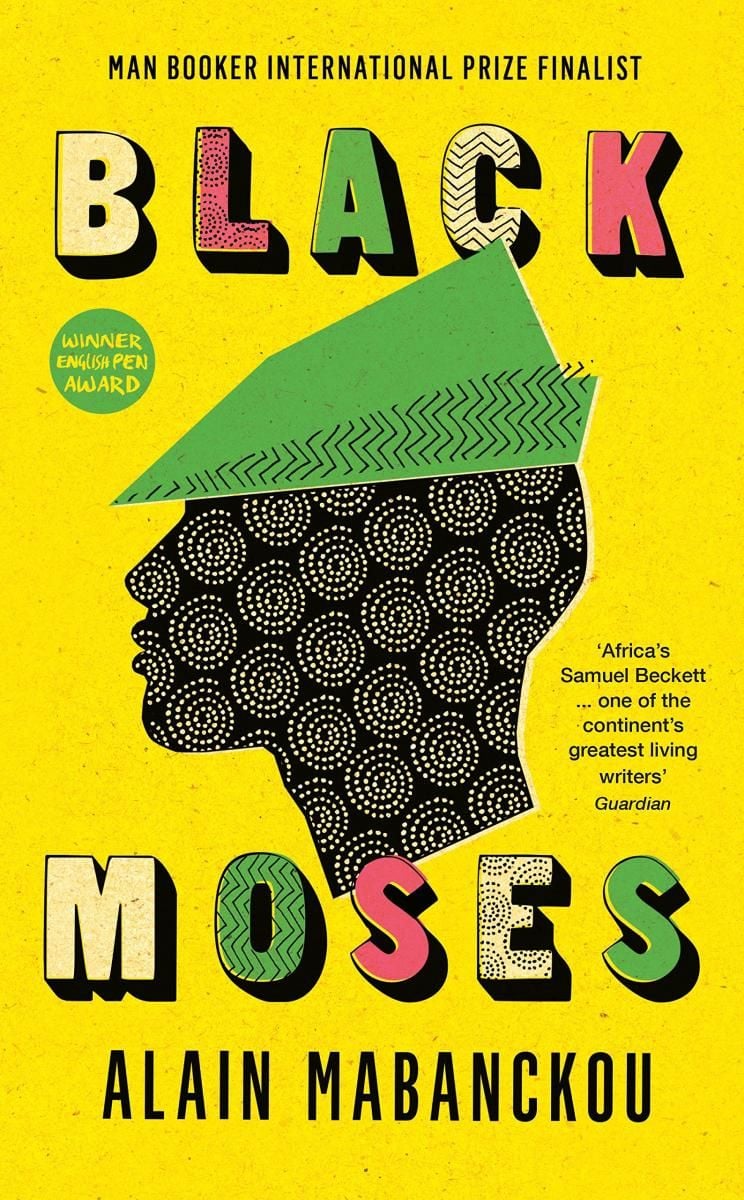
Alain Mabanckou’s poetic carnival of a novel chronicles a riotous journey through the Pointe-Noire underworld in late 20th century Congo-Brazzaville


