Site search

Use our search to browse hundreds of features and pages from the Booker Library of authors, books, judges, prize years and translators. You can narrow down your search using quotation marks to find an exact match.

Displaying 2011 - 2020 of 3137

Yann Martel 2002
The year of a new sponsor – the Man Group – and a rejected novel, Yann Martel’s Life of Pi, which went on to become one of the biggest-selling books in the prize’s history.
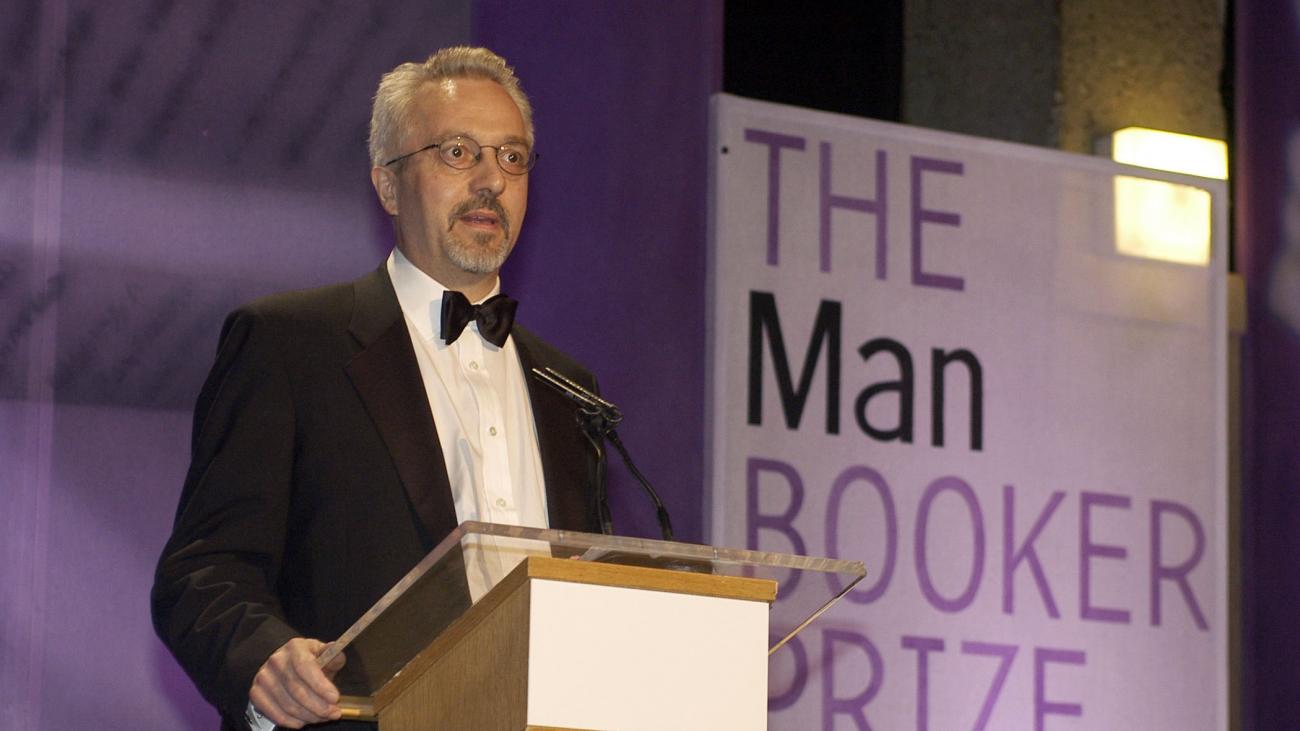
Alan Hollinghurst, 2004
The media reception of Alan Hollinghurst’s win did The Line of Beauty a great disservice. There was far more to the book than it simply being ‘the first gay novel’ to win the prize.
Kiran Desai, 2006
A novel seven years in the writing made Kiran Desai both the then youngest winner of the prize and a daughter who went one better than her mother, Anita Desai, a three-time shortlistee.
Anne Enright, 2007
Another Irish winner, disgruntled bookies, and more chat as to what constitutes a novel. No shortlisted book can be a surprise winner but Anne Enright’s The Gathering came close.
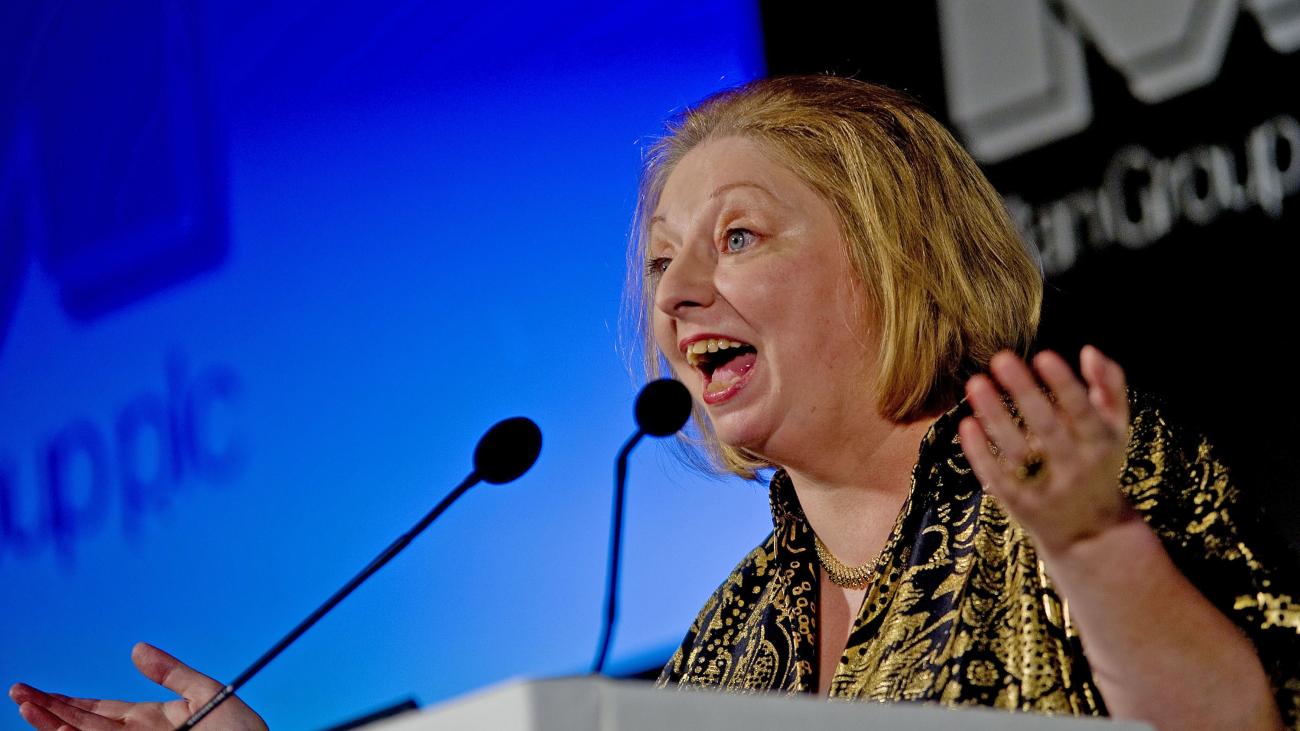
Hilary Mantel, 2009
Of course it wasn’t just the power of the prize but when Wolf Hall won, Hilary Mantel’s life changed forever – a previously highly-regarded novelist was suddenly a literary juggernaut.
Howard Jacobson, 2010
Victory at last for Howard Jacobson, self-proclaimed as ‘a Jewish Jane Austen’ with The Finkler Question, the first comic novel to win since Kingsley Amis’s The Old Devils in 1986.
Julian Barnes, 2011
Another year of judging controversy produced a very uncontroversial winner in Julian Barnes, an author who might have regretted once describing the prize, slightingly, as ‘posh bingo’.
Hilary Mantel with judge Peter Stothard, 2012
Hilary Mantel ascended to the Booker Prize empyrean with the second volume of her Thomas Cromwell trilogy, becoming the first woman to win the prize twice.
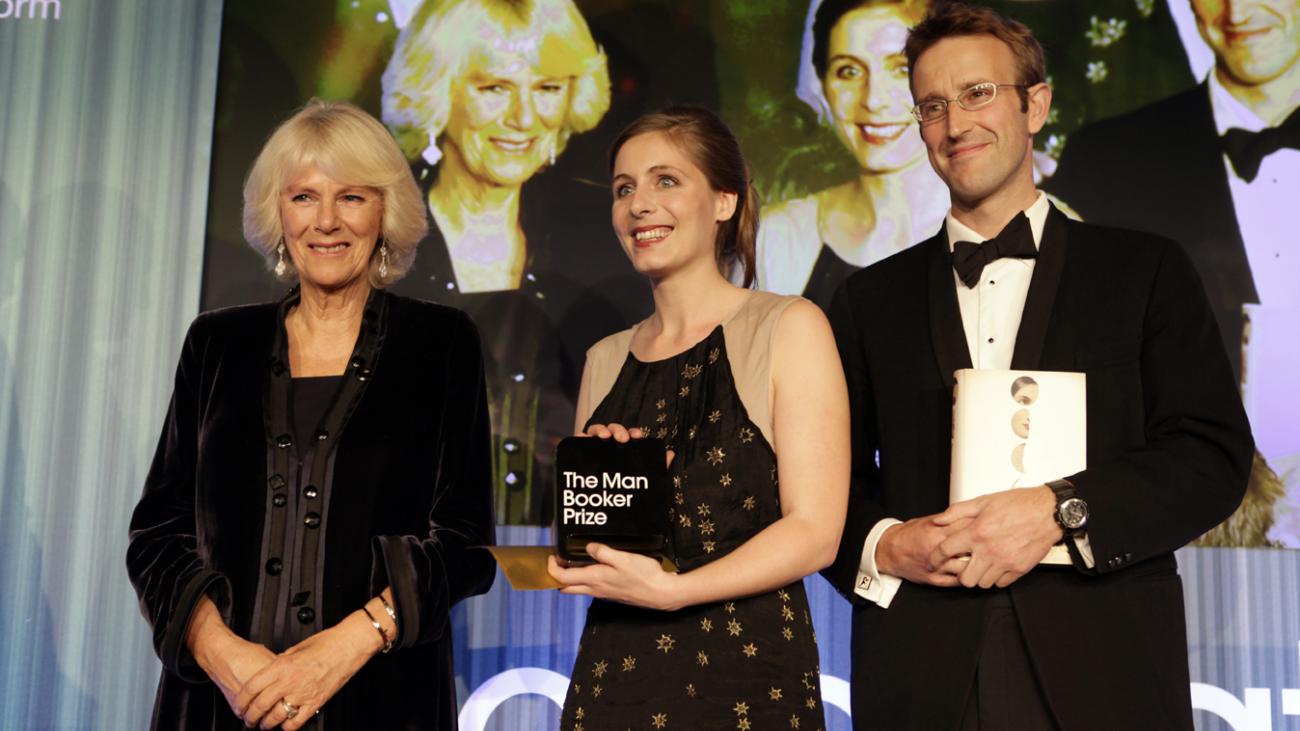
Eleanor Catton, 2013
The 2013 Booker Prize was won by Eleanor Catton for her novel The Luminaries.The youngest winner at 28 crafts the longest winning book. Her novel is an intricate 832-page Victorian – in both timeframe and scale – epic.
Richard Flanagan, 2014
The year the prize was opened up to every nationality. Fears that Americans would now dominate were allayed with a second Antipodean winner in a row, with another historical novel.