- Published
As she prepares to pass the baton, the author of Orbital tells us about the ‘glorious, overwhelming fallout’ of winning the Booker Prize, including the liberation and liquorice a win can bring
Thinking back to the evening of 12 November 2024 – could you describe how it felt to win the Booker? Did you think you had a good chance of winning, and what was your initial reaction?
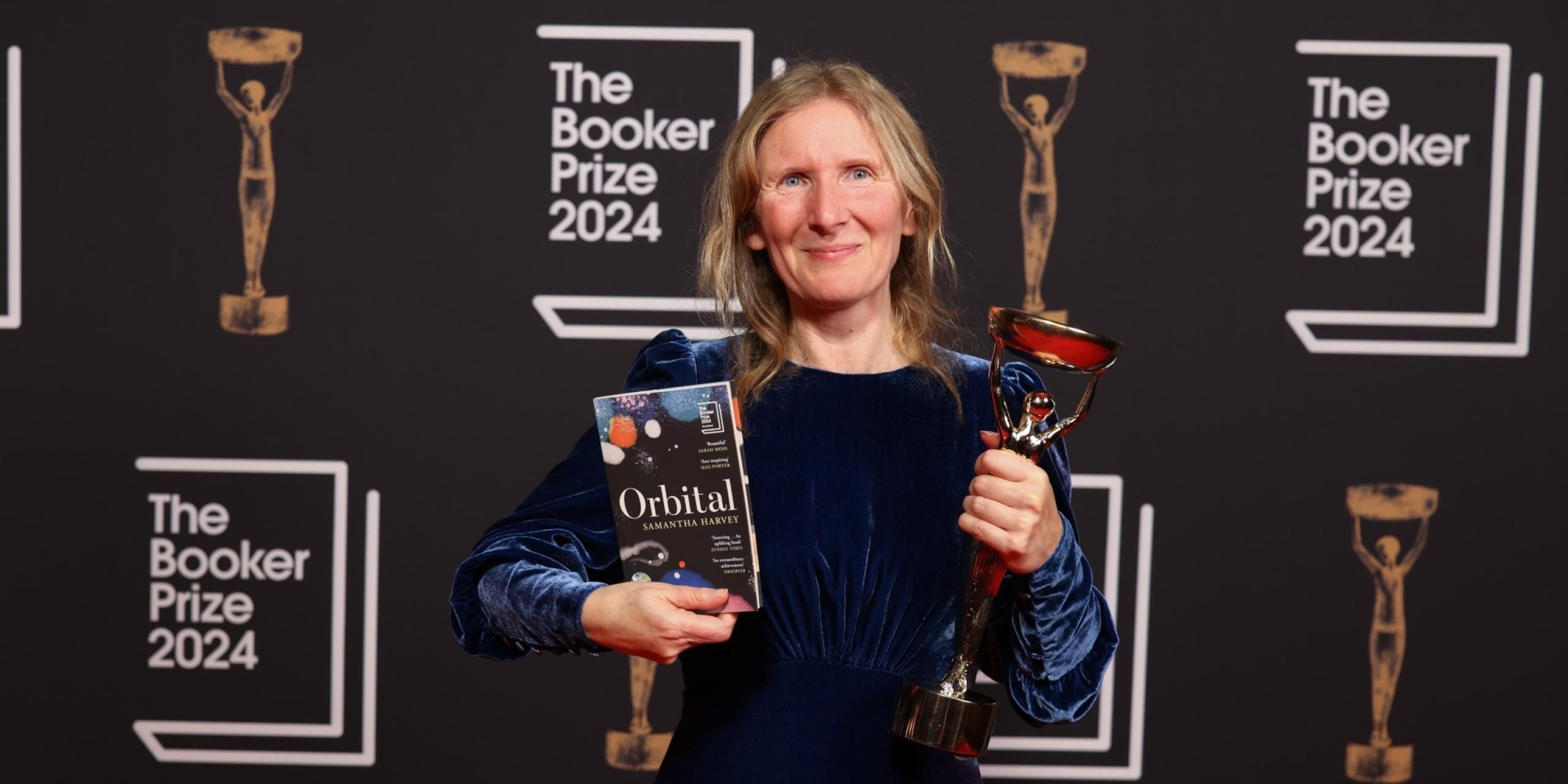
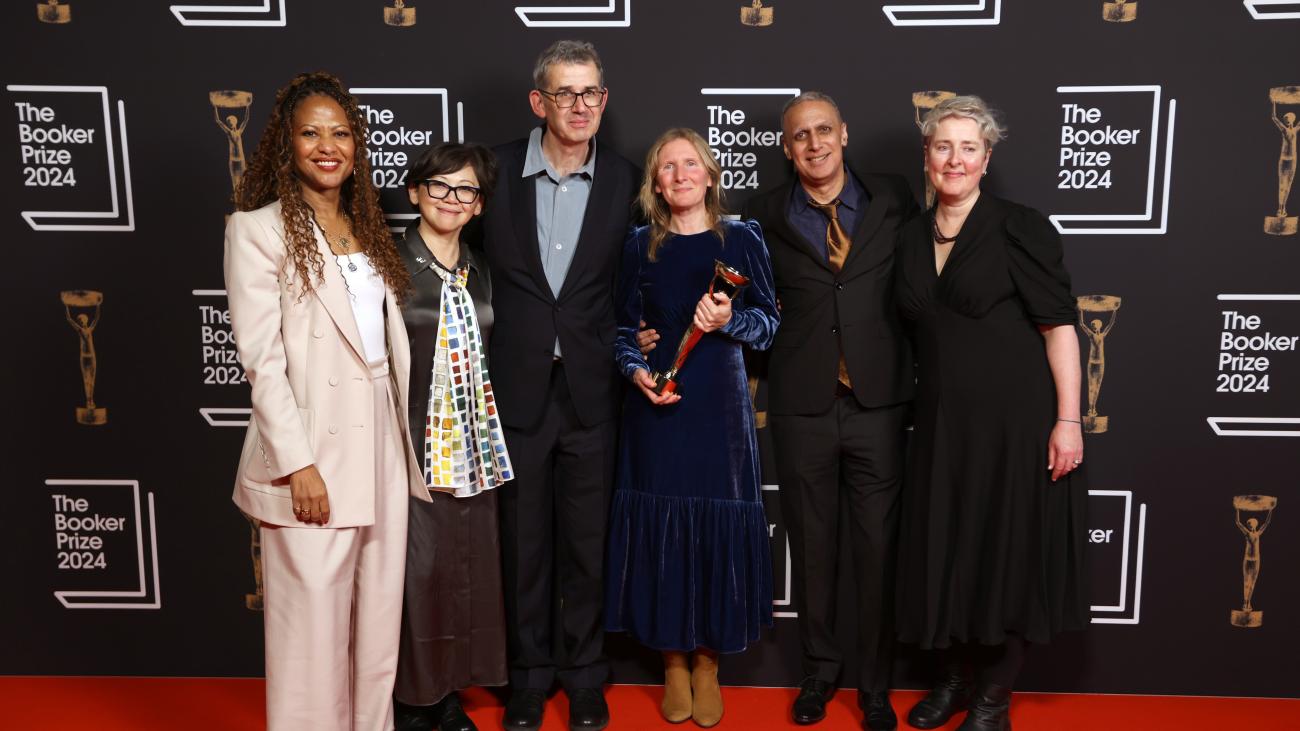
I was certain I wouldn’t win. I’d rarely been more certain about anything. I wish in some ways I’d prepared myself more and had a little more poise when the announcement was made – instead I struggled to get up from my seat, to retrieve my speech (which I wrote quickly, never imagining I’d need to read it), to take that hallowed trophy into my hands. Even now, I struggle to reconcile myself with the fact of having won. That moment in which it happened is, perhaps, the most vivid moment of my life.
What were the next few hours, days and weeks like? What surprised you the most during that time?
Mad. An onslaught – from the announcement straight into interviews, a brief whoop at the after-party then to bed, up first thing for two days in a press office doing back-to-back interviews, a weekend off and then… it doesn’t stop. It hasn’t stopped. By early January, the whole of 2025 was mapped out in events and travel. It isn’t for the faint-hearted.
But I remember walking across Vauxhall Bridge a day or two after winning – it was a soft November night, humming and peaceable. I felt an immeasurable, unforgettable serenity and alright-ness with the world. Liberation. That’s one thing that surprised me – that there was great peace in the noise. Another thing that surprised me was that nobody wrote to say there’d been an admin error and actually I hadn’t won.
What’s been the most of out-of-this world thing about the last year? And what’s helped bring you back down to earth?
I’ve made friends with astronauts. Somehow they’ve embraced my fraudulent trespass into their world with a generosity I couldn’t have imagined. Meeting Laurie Anderson (a hero of mine); knowing Barack Obama and Yo-Yo Ma have read Orbital. Endless cosmic goodness has come my way. I’ve been grounded by the love and support and patience and humour and zero-bullshit companionship of my partner, Rick.
When we spoke to you back in October 2024, you said winning the Booker would buy you time to work on your sculptures and that you’d blow the rest of the prize money on expensive Danish liquorice. Have you found time to sculpt this year? And how much liquorice have you eaten?
I’m learning that the gift of time that the Booker brings – that is, by not having to teach any longer, for example – is a promised gift, not yet realised. This year I’ve barely sculpted, I’ve written next to nothing, I’ve done very little but manage the glorious, overwhelming fallout of the prize. I mean to sculpt more this coming year and perhaps to cobble together a small exhibition.
Meanwhile, so much liquorice. People in signing queues have presented me with it, as have friends; my Danish publisher has been very obliging on that front too, and you’ll be pleased to know that I’ll stick avidly to my expensive-Danish-liquorice commitment, even when the full glory of the Booker passes to someone else.

Samantha Harvey, winner of the Booker Prize 2024
© David Parry for the Booker Prize Foundation
Sometimes I catch sight of a copy of the book lying on my desk and I think, how can one small object be so life-changing?
Samantha Harvey
Orbital is the fastest-selling winner of the Booker Prize in its 55-year history. Why do you think that is?
Speaking about this at a family dinner earlier this year my mum said, ‘Well, I expect it’s just because it’s quite short.’
Translation rights to the book have been sold in over 40 territories. What is it about Orbital that resonates with readers around the world?
I don’t think we can ever know the answer to questions like these. My only tentative explanation is that it’s an international book – its concern isn’t that of a single country or national identity. It looks at countries and continents as shifting lightshows, tries to honour both their specific and universal loveliness. But whatever the possible explanation, nothing humbles and delights me more than knowing that people across the world are reading it.
How have your feelings about the novel’s six space travellers and their 16 orbits of Earth changed over the last year?
Sometimes I catch sight of a copy of the book lying on my desk and I think, you’re an agent of chaos, look at the holy mess you’ve made. How can one small object be so life-changing? There’s my little spacecraft, little dream capsule, drifting through the public imagination. It lives outside of me, in the world, in other people, between other people, in a way I haven’t quite experienced with any of my previous books, and that’s one of the great joys of my life. But this hasn’t made my relationship with it any less personal, strangely. Somehow, in its becoming something intimate to others, it’s become all the more intimate to me, always showing itself in new ways through readers’ responses.
Does winning feel like the pressure is off – “I’ve made it!” – or that the pressure is now really on, to build on your Booker success?
I might need to get back to you on that once I’ve started writing again. But as things stand now it’s definitely the first of those two. I’ve always done exactly as I like writing-wise, tried to retreat from pressure, to write in an airlock between my own doubts and external demands; to write only out of fascination and love. I’ll always aspire to do that, and it feels in many ways easier now.
What do you think of this year’s shortlist?
It’s extraordinary. I’m glad I’m not on it. I think it’s one of the best in years.
Why do prizes like the Booker matter?
As a beneficiary of a big prize, it’s easy to answer that they matter because they bring reputation, readers, opportunities, a certain financial freedom; they are nothing short of life-transforming. And the Booker is singular in that it can change the fortunes of all the nominated authors, not just the winner.
As a writer who has also published books that haven’t won prizes, I’m aware of the disproportion of prizes, and of how much chance there is in winning, or even making a long- or shortlist. Prizes matter so much, and no doubt they matter too much. Winning must be taken for nothing more or less than it is: a stroke of miraculous, wild fortune.


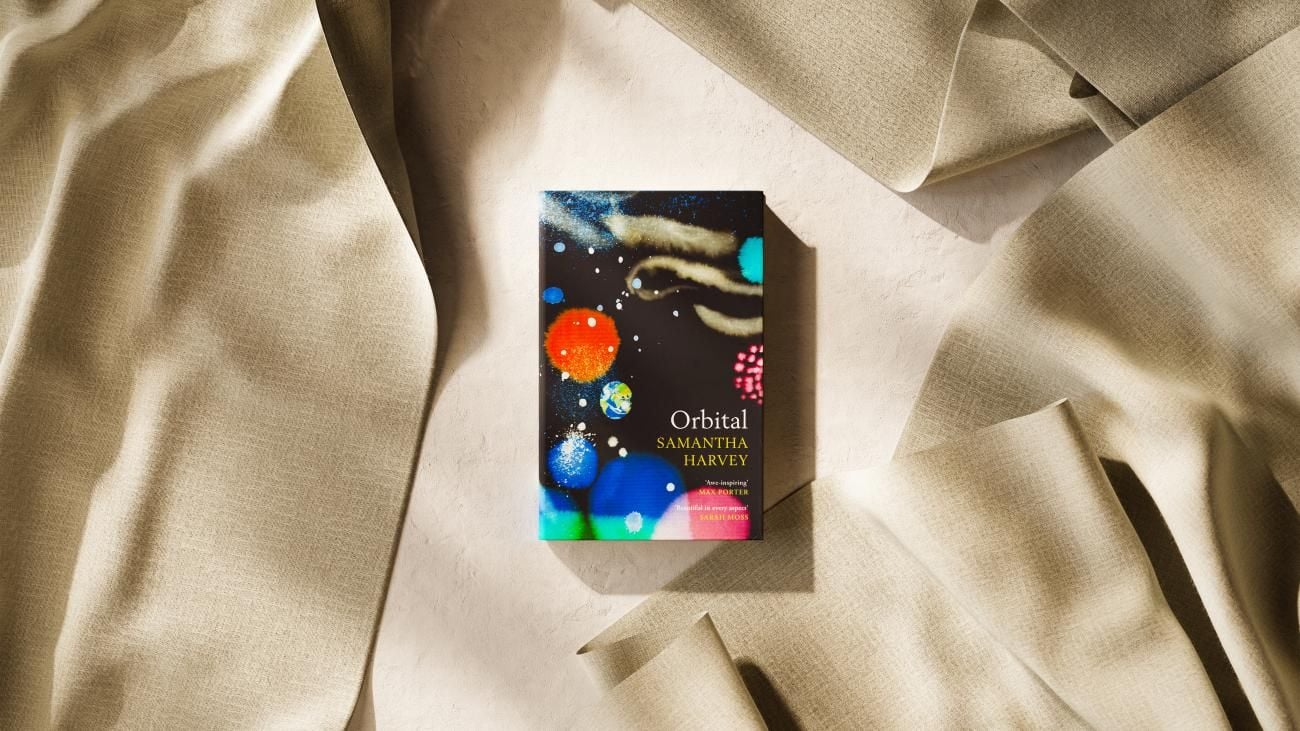
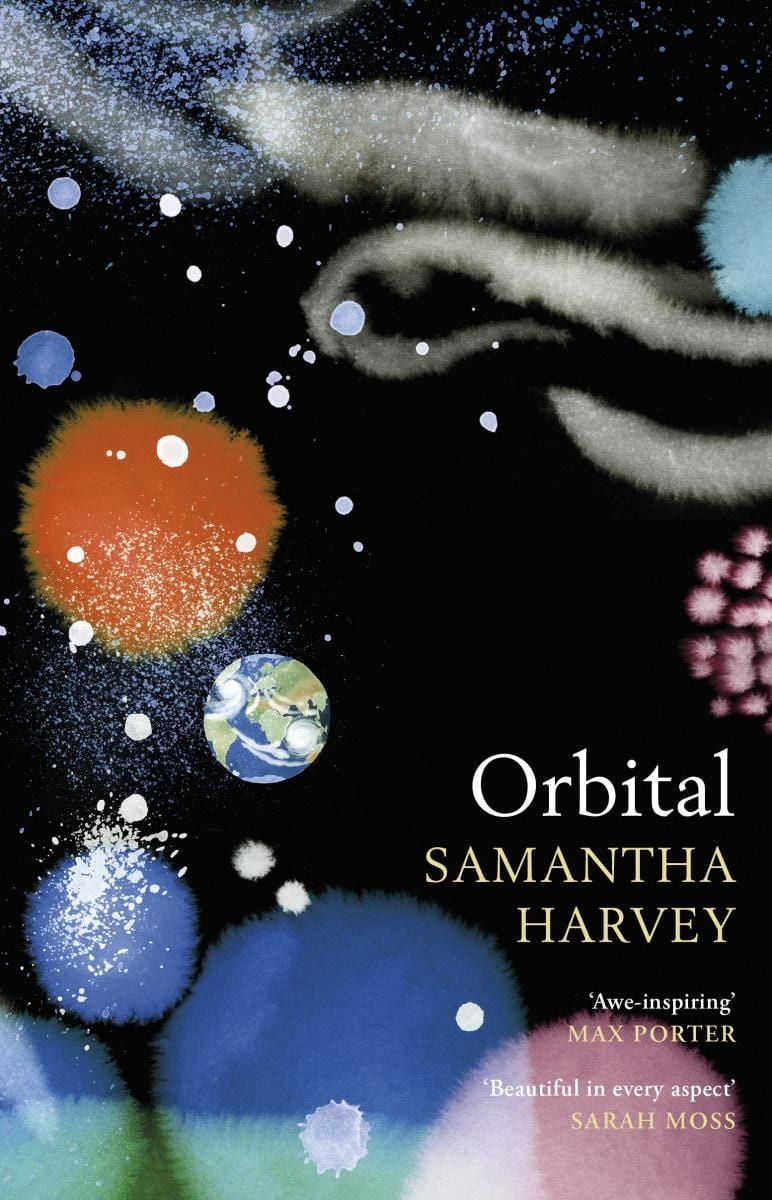
Orbital
Winner of The Booker Prize 2024
- Published by
- Jonathan Cape
Features

- Book recommendations
Eight novels to read in autumn, nominated for the Booker Prizes

- Book recommendations
10 Booker Prize-nominated books with unique settings


- Book recommendations
The best Booker audiobooks to curl up with this winter, chosen by you

- Book recommendations
Booker Prize authors on the childhood books that made them fall in love with fiction
- Book recommendations
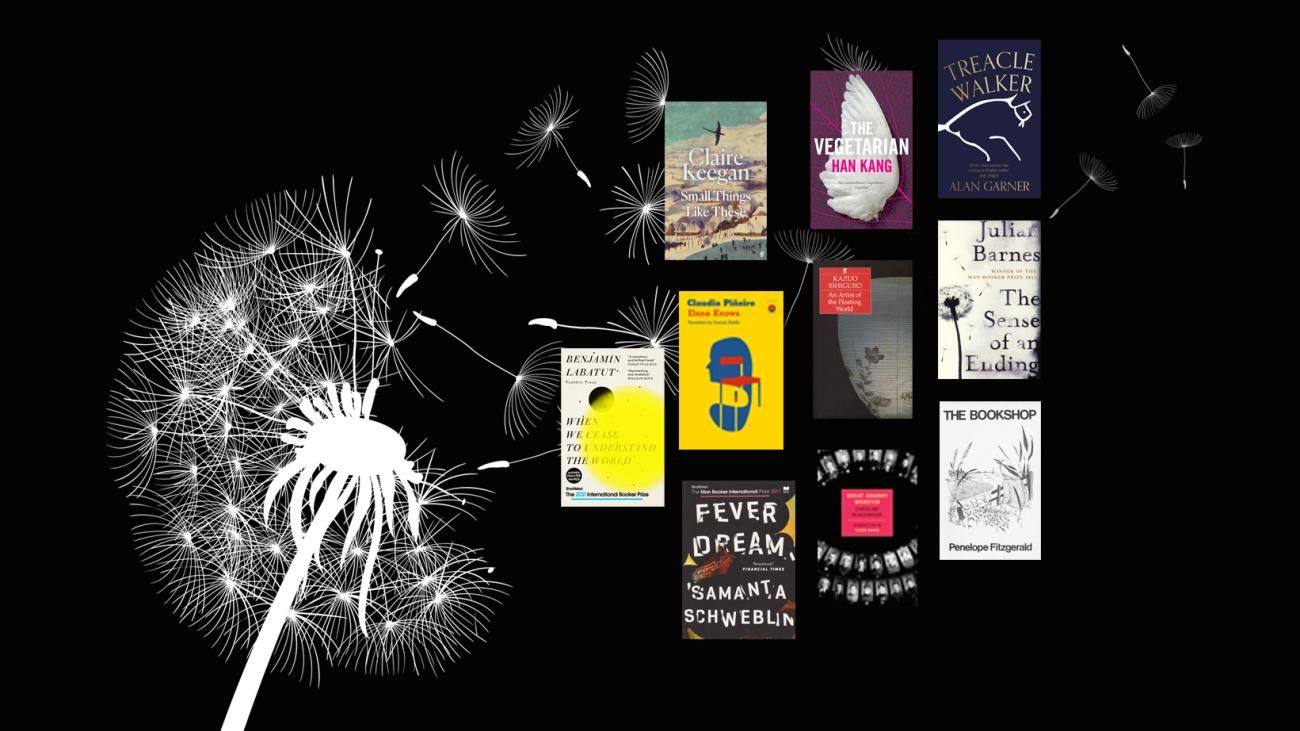
11 of the best very short books from the Booker Library
- Book recommendations
- Long read
What everyone is saying about Orbital winning the Booker Prize 2024

- Long read
- Information