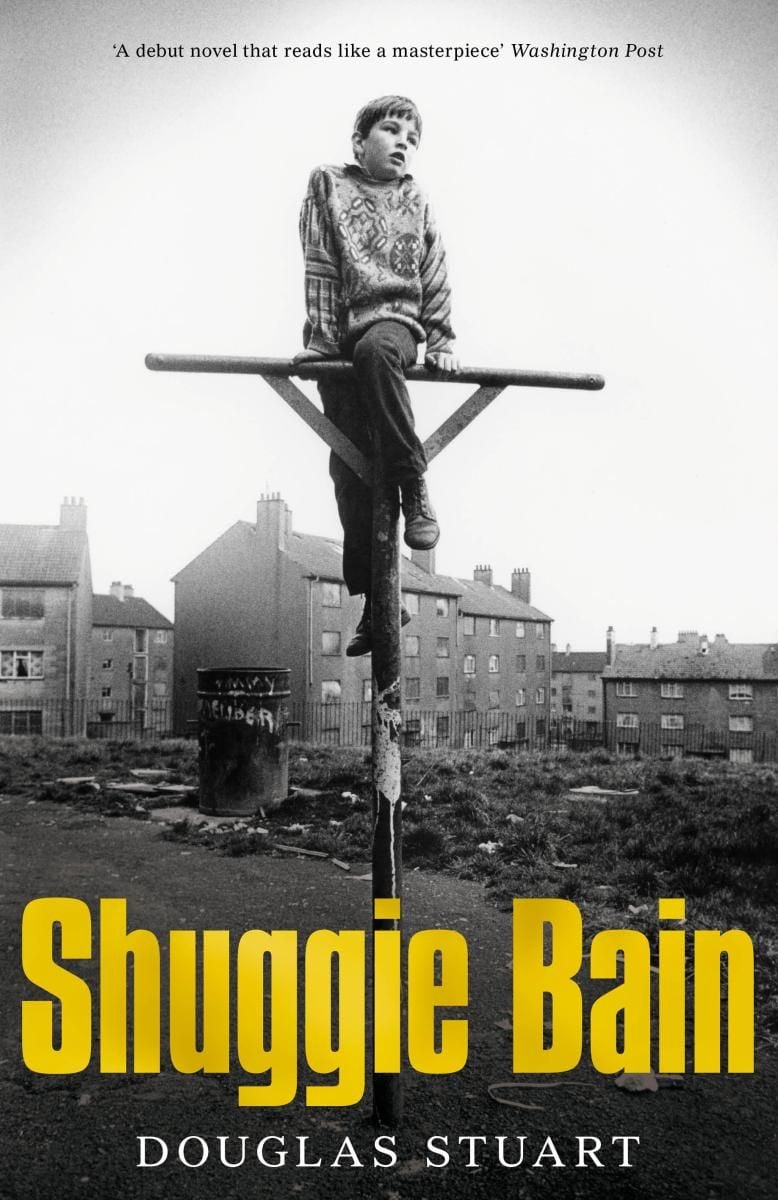
Shuggie Bain
by Douglas Stuart (prize winner)

Set in an unnamed city where it’s dangerous to be interesting, Burns’ Booker Prize-winning novel is rife with gossip and hearsay
Whether you’re new to Milkman or have read it and would like to explore it more deeply, here is our comprehensive guide, featuring insights from critics, our judges and the book’s author, as well as discussion points and suggestions for further reading.
In this unnamed city, it’s dangerous to stand out. Middle sister, our protagonist, is busy trying to stop her mother from discovering her maybe-boyfriend and keep everyone in the dark about her encounter with Milkman. But, when first brother-in-law sniffs out her struggle and rumours start to swell, middle sister becomes ‘interesting’. The last thing she ever wanted to be. To be interesting is to be noticed and to be noticed is risky…
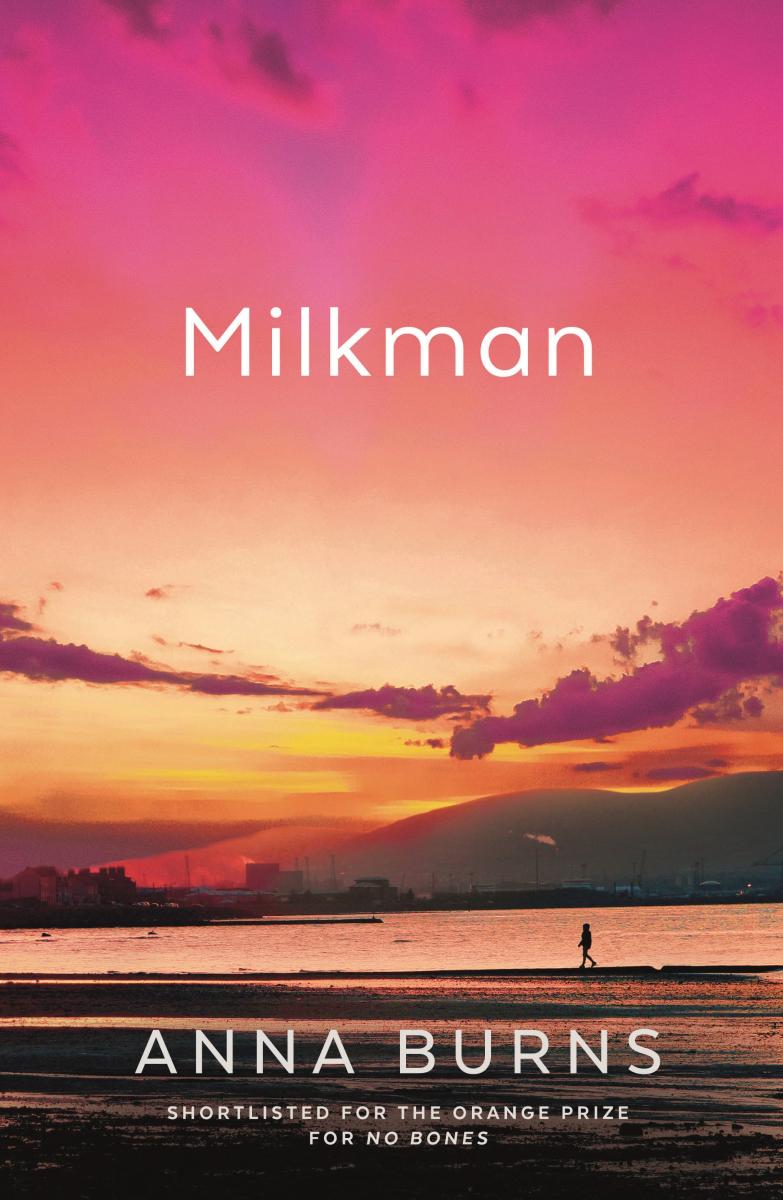
Milkman was the winner of the Booker Prize in 2018.
Middle sister
Middle sister is the 18-year-old protagonist of the story. She lives in an unnamed town in Northern Ireland, has no interest in the politics that concern her community and wants to live a normal life. While out walking one day, she attracts the unwanted attention of a man known as Milkman, who starts to stalk her.
Milkman
Milkman is rumoured to be a ‘renouncer’ who wants to end British rule. He works in surveillance and is married, though not much else is known about him. He takes an interest in middle sister. He begins to harass her, issuing threats and insinuations as a rumour spreads around the community that they are involved in a sexual relationship.
Maybe-boyfriend
Maybe-boyfriend is a young man whom middle sister is dating. They are both unsure of where they want the relationship to go, and middle sister doesn’t want to introduce him to her family. He has a passion for cars, but gets into trouble with the renouncers who start to bother him because he owns a British car part.
Ma
Ma is middle sister’s mother. She lives a traditional life and has 11 children. Ma doesn’t trust middle sister and believes that her daughter is involved with Milkman, becoming partially responsible for the rumours that start to swirl and spread.
Anna Burns was born in Belfast. She is the author of three novels – No Bones, Little Constructions and Milkman – as well as the novella Mostly Hero. No Bones won the Winifred Holtby Memorial Prize and was shortlisted for the Orange Prize for Fiction. Milkman won the Booker Prize in 2018, the 2019 Orwell Prize for Political Fiction, and the International Dublin Literary Award 2020. It was also shortlisted for the Women’s Prize and the Rathbones Folio Prize. Burns lives in East Sussex, England.
Anna Burns, 2019
© David Levenson/Getty Images
Mark OConnell, Slate
‘There is a pulsating menace at the heart of the book, of which the title character is an uncannily indeterminate avatar, but also a deep sadness at the human cost of conflict… For all the darkness of the world it illuminates, Milkman is as strange and variegated and brilliant as a northern sunset. You just have to turn your face toward it, and give it your full attention.’
Adrian McKinty, The Irish Times
‘Burns’s agenda is not to unpack the dreary tribal squabbles that so characterised Troubles-era Northern Ireland; rather she is working in an altogether more interesting milieu, seeking answers to the big questions about identity, love, enlightenment and the meaning of life for a young woman on the verge of adulthood.’
Clair Wills, The New York Review of Books
‘Burns’s genius lies in entirely renouncing the classic truth-discovery plot. Detective work – even at its most Miss Marple, most feminine and unassuming – is completely unavailable to middle sister… There were times reading Milkman when I thought I would get a cramp from laughing, but it is hard to do justice to the book’s humor in a review because much of it comes from the sheer length of characters’ speeches and of grown-up middle sister’s own free-wheeling, digressive, retrospective narration.’
Ron Charles, The Washington Post
‘[Milkman is] the last great novel of the year. Possibly the most challenging one, too… Lovers of modernist fiction by William Faulkner, Virginia Woolf, James Joyce – I know you’re out there, waiting for a book to slake your thirst for something strange and complex – Milkman is for you.’
Annalisa Quinn, NPR
‘Middle sister’s voice is wonderful: knowing, sideways, deeply interior, ungrammatical, full of lists and wanderings, by turns demotic and mock-grand… At its core, Milkman is a wildly good and true novel of how living in fear limits people.’
‘Not being the sort of writer to work out plots and outlines then, my job was, and so far still is, to wait and to listen for what is coming. That is a big part of what I do at the desk. The better the day I’ve had, the more it carries on after I’ve left the desk and stopped my day’s writing. I make notes of all arrivals, also notes that concern themselves with refinement and rearrangement – especially with rhythm – of whatever jigsaw bits of the writing that I do have. These extras come, say, while I’m out walking or making my dinner, and they are then what I start with when I come to my desk to wait the next day. So you see, waiting is not doing nothing. It’s a particular type of waiting, probably influenced by the unconscious. I’m thinking the words “instinctive” and “attending” and “alert” as qualities of this waiting.’
Read the full interview here.
Anna Burns doesn’t directly name any of the characters in Milkman, instead using descriptions such as ‘middle sister’ and ‘maybe-boyfriend’. She also avoids using words such as Protestant, Catholic, IRA and Belfast, among others. When referencing Protestants and Catholics, she describes them as being ‘over the road’ or ‘over the water’. In an interview with the Booker Prizes website, Burns said that ‘The book didn’t work with names. It lost power and atmosphere and turned into a lesser – or perhaps just a different – book.’ Do you agree with Burns? What effect did the lack of names have on your reading experience?
Considering that Burns never mentions in the book itself that the setting is 1970s Belfast during the Troubles, do you think it was instantly recognisable that it was set there and then? In what ways could you tell it was?
Middle sister likes to read while walking, a habit that makes her stand out. The community believes it’s evidence of her refusal to conform to their rigid ideals. Why do you think Burns chose this particular habit to reflect middle sister’s individualism?
Writing for Point Magazine, Francesca Capossela says, ‘Anna Burns’s novel Milkman recounts car bombs, suicides, poisonings, guns-in-chests, piles of dead dogs and decapitated cats, but Burns’s main preoccupation is with the slippery violence of euphemism. Our narrator’s community is so muted, so censored and policed, that every word, or lack thereof, is loaded with meaning and risk.’ To what extent would you agree with Capossela’s assessment?
In an interview with Southbank Centre’s Book Podcast, Burns said that ‘The book itself, it’s not traditional realism, written in a traditional realist style, but then life’s not always traditional realism either and I think the language fits in with that, that it’s not a recognisable realistic world’. Did the world Burns creates in Milkman feel recognisable and realistic to you? Which elements felt most real, or unreal?
Ma is a powerful presence within the book. She is driven by traditional values and wants all her daughters to marry. When it comes to Milkman, ma chooses to believe the rumours, rather than middle sister. Why do you think she struggles to trust her daughter?
The novel contains very limited detail about Milkman and his background, only rumours that he is a married renouncer and specialises in surveillance. Why do you think Burns decided not to flesh out his character more fully or accurately, and how did this shape your perception of the character?
In the book, middle sister says, ‘I came to understand how much I’d been thwarted into a carefully constructed nothingness by that man. Also by the community, by the very mental atmosphere, that minutiae of invasion.’ What do you think she means by that?
Throughout the novel, there are several instances where Burns uses multiple old-fashioned or unusual words in a row to describe one thing. For example, when middle sister’s mother tries to ask her if she’s pregnant, she says, ‘Have you been fecundated by him… Imbued by him? … Fertilised, vexed, embarrassed, sprinkled…’ Did you understand why ma chose not to say the word pregnant? What did you think of this technique and what does it tell us about the world the characters are living in?
Some readers have said that Burns has deliberately created a universal experience in Milkman that can be shifted to any war-torn society. Do you agree? How has she achieved this?
Queen’s University Belfast: Anna Burns Interview
New York Times: The New Booker Prize Winner Who May Never Write Again
Times Literary Supplement: Twenty Questions with Anna Burns
Southbank Centre: Southbank Centre’s Book Podcast: Anna Burns – Milkman
The New Statesman: “I’ve been homeless myself: you start thinking, ‘I’m not entitled’”: novelist Anna Burns on winning the Booker Prize
The New School: Interview with 2019 NBCC Fiction Winner Anna Burns
by Douglas Stuart (prize winner)
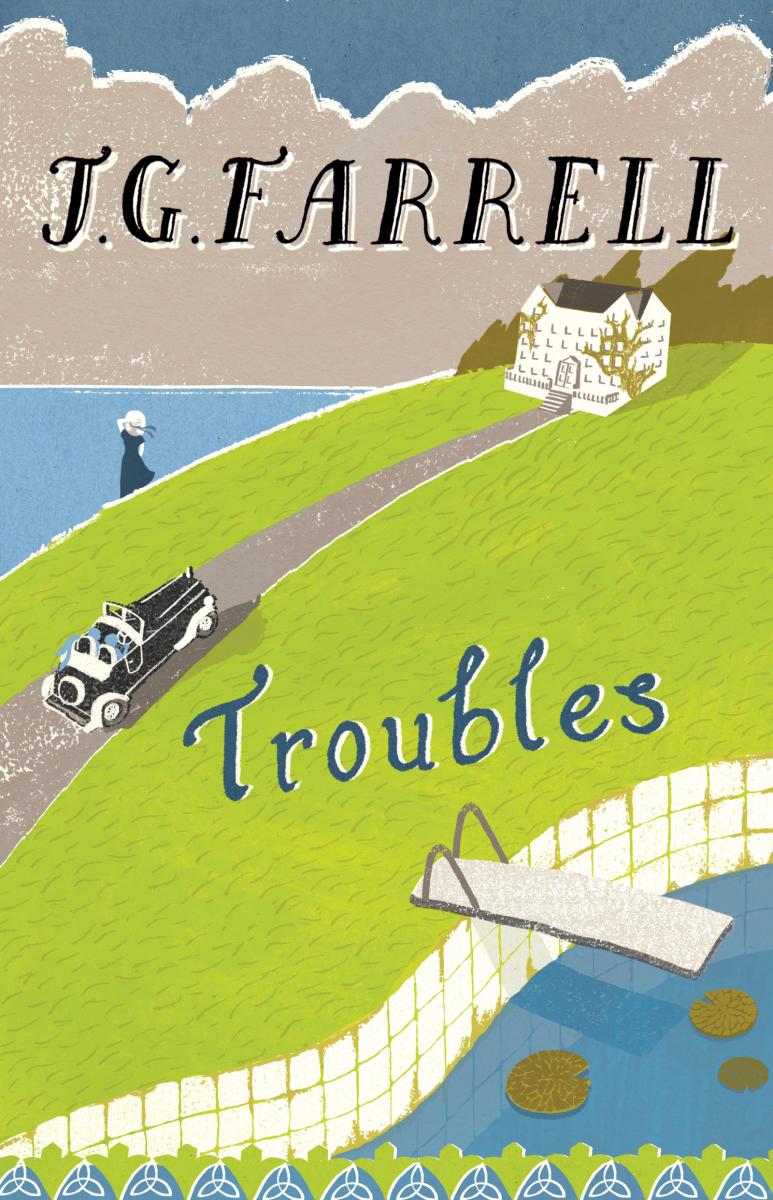
by J.G. Farrell
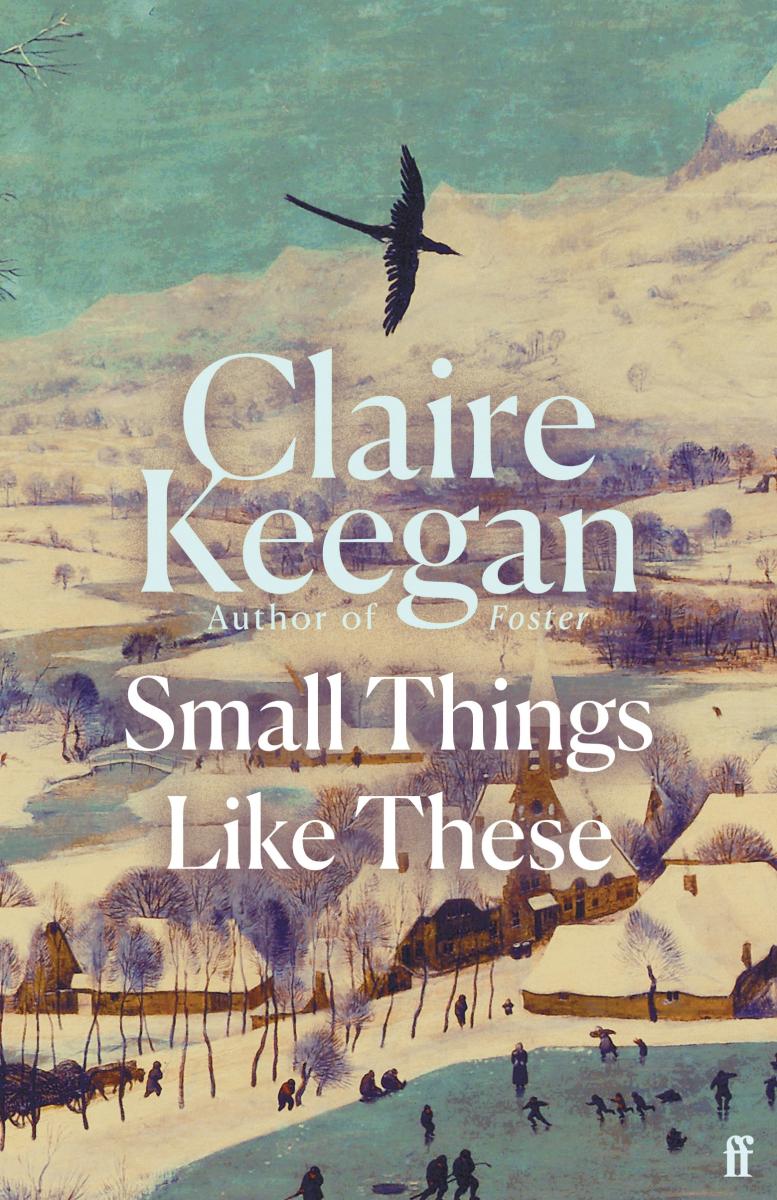
by Claire Keegan
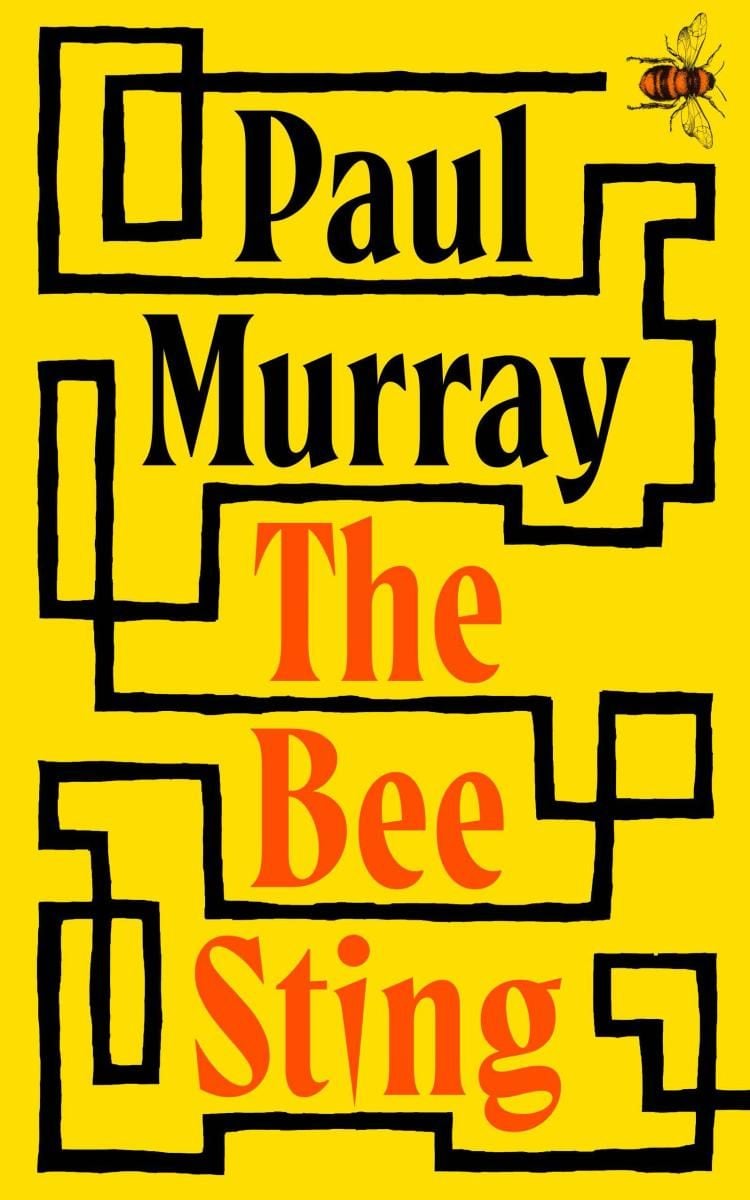
by Paul Murray
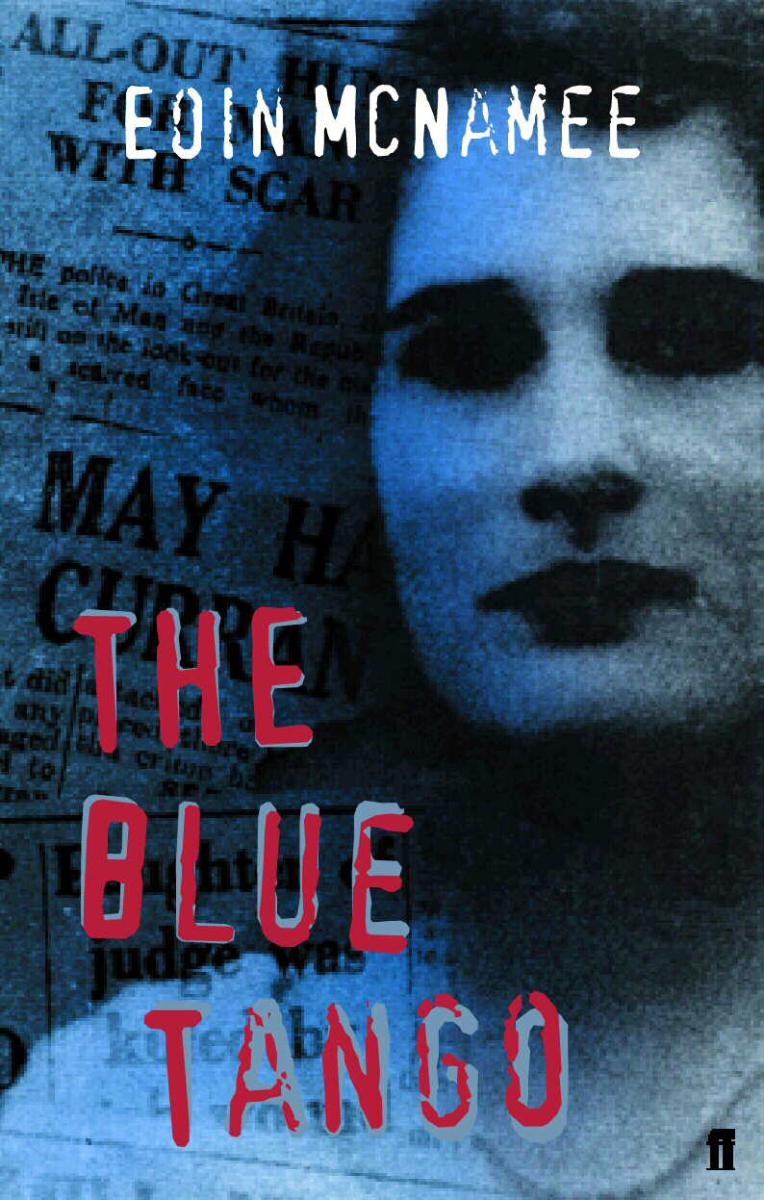
by Eoin McNamee
by Paul Lynch (prize winner)
Winner of The Booker Prize 2018